
Strengthen the platform you already depend on
Improve the performance, reliability and flexibility of your existing platform without disrupting the value it already delivers.
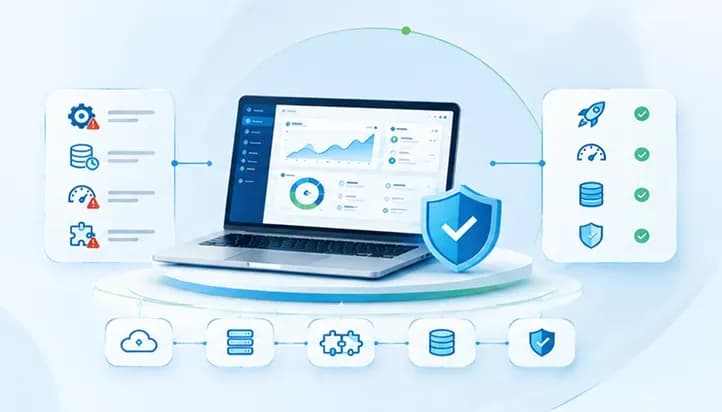
Strengthen the platform you already depend on
Improve the performance, reliability and flexibility of your existing platform without disrupting the value it already delivers.
The product may still work well — while every change becomes more difficult
Many platforms reach a point where the original architecture, dependencies or delivery practices no longer match the maturity of the business.
Features take longer to release. Small changes have wider side effects. Performance issues appear under heavier usage. Integrations multiply, testing becomes harder and operational risk increases.
These are signs that the product needs strengthening — not necessarily replacing.
Technical debt is slowing delivery
Technical debt is slowing delivery
The team spends increasing effort working around ageing code, tightly coupled components or previous shortcuts. We help identify which debt is genuinely affecting delivery and prioritise it according to business impact.
Performance is becoming inconsistent
Performance is becoming inconsistent
Growth in users, transactions, data or integrations may expose bottlenecks in application code, databases, infrastructure or external services. We assess the real source of the constraint before recommending change.
The architecture is difficult to extend
The architecture is difficult to extend
Adding new features or integrations may require changes across too many parts of the product. We can help reduce coupling, introduce clearer boundaries and evolve the architecture progressively.
Releases feel increasingly risky
Releases feel increasingly risky
Manual testing, inconsistent environments or limited regression coverage can make every release stressful. We help strengthen QA, release practices and engineering discipline around the active platform.
Dependencies are becoming a risk
Dependencies are becoming a risk
Unsupported frameworks, libraries, services or infrastructure can make the product harder to secure and maintain. We help plan upgrades or replacements according to urgency and operational impact.
The roadmap is larger than the team can deliver
The roadmap is larger than the team can deliver
Customer requests, product improvements, technical debt and support work compete for the same engineering capacity. SVAAPTA can take ownership of defined product or modernisation workstreams alongside the internal team.
Modernisation should begin with the constraints affecting the business today, not with a predetermined technology choice.
Understand what is actually limiting the platform
Modernisation decisions should be based on evidence. Before recommending significant change, we look at the current product, architecture, codebase, dependencies, infrastructure, integrations, delivery process and business roadmap.
The assessment is intended to separate urgent constraints from lower-value technical concerns and identify a practical sequence of improvement.
Start with an assessment, not a rewrite
Review the existing platform to identify the real constraints before recommending significant changes.
Typical assessment areas
- Architecture and component boundaries
- Code quality and maintainability
- Frameworks and dependencies
- Performance and scalability
- Database and data flows
- APIs and integrations
- Cloud and infrastructure
- Deployment and environments
- Testing and release practices
- Observability and production support
- Security considerations
- Roadmap and product dependencies
Prioritise modernisation by business impact
Fix what is slowing the business before improving what is merely imperfect.
We distinguish between problems that threaten reliability or security, constraints that slow product delivery, bottlenecks affecting customers or operations, dependencies that create future risk, and improvements that are useful but not yet urgent.
This creates a modernisation roadmap balanced against commercial priorities rather than an open-ended technical programme.
Modernisation can happen in stages
For active platforms, a staged approach is often safer and more commercially practical than a large replacement programme.
Depending on the constraint, the work may involve refactoring high-risk components, introducing cleaner module boundaries, replacing unsupported dependencies, improving APIs, separating tightly coupled functionality, modernising selected user journeys, moving specific workloads, improving deployments, strengthening testing and improving observability.
The sequence should reflect product risk, customer impact and roadmap priorities.
Improve the parts of the platform that limit performance, reliability and change
The right improvements depend on where the existing platform is under pressure. SVAAPTA helps organisations address technical constraints through targeted engineering, architecture, integrations, quality assurance and operational improvements.
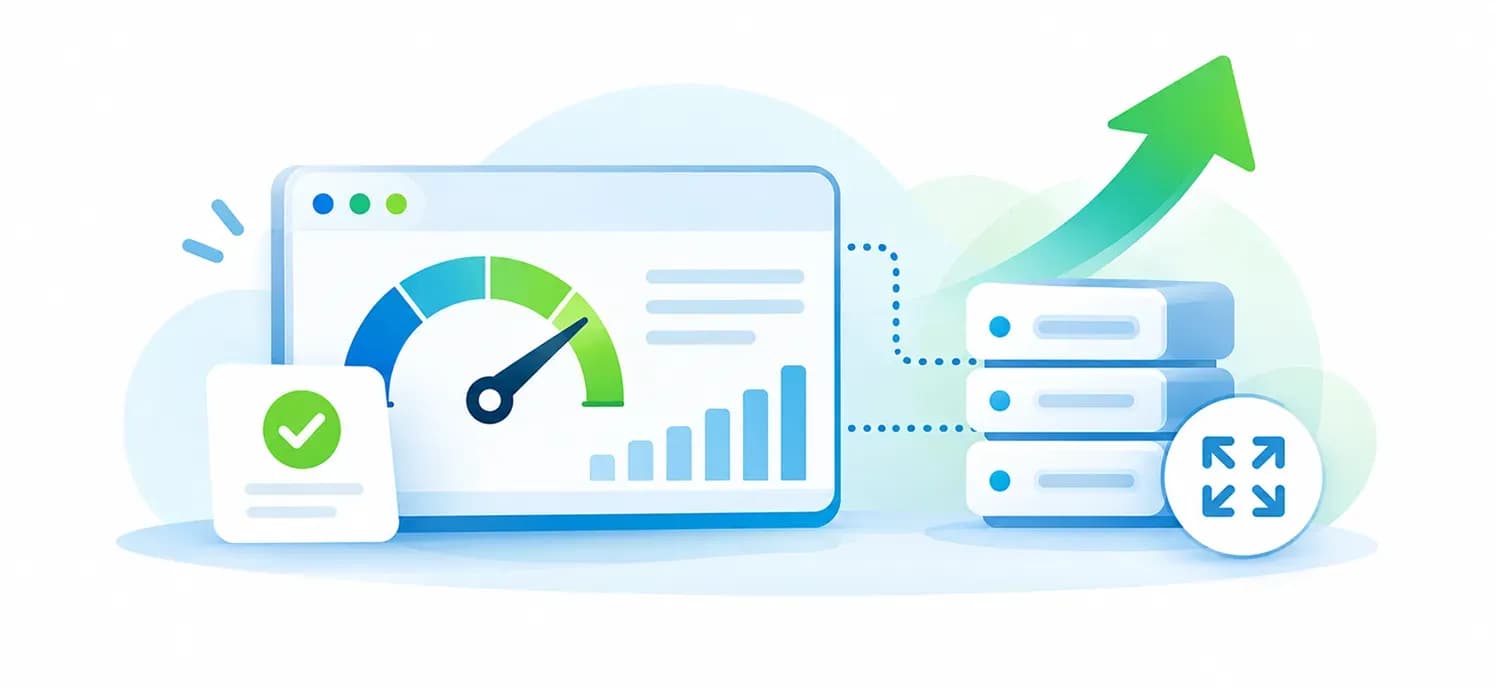
Performance and Scalability
Performance and Scalability
Identify and resolve performance bottlenecks across application code, databases, caching and infrastructure.
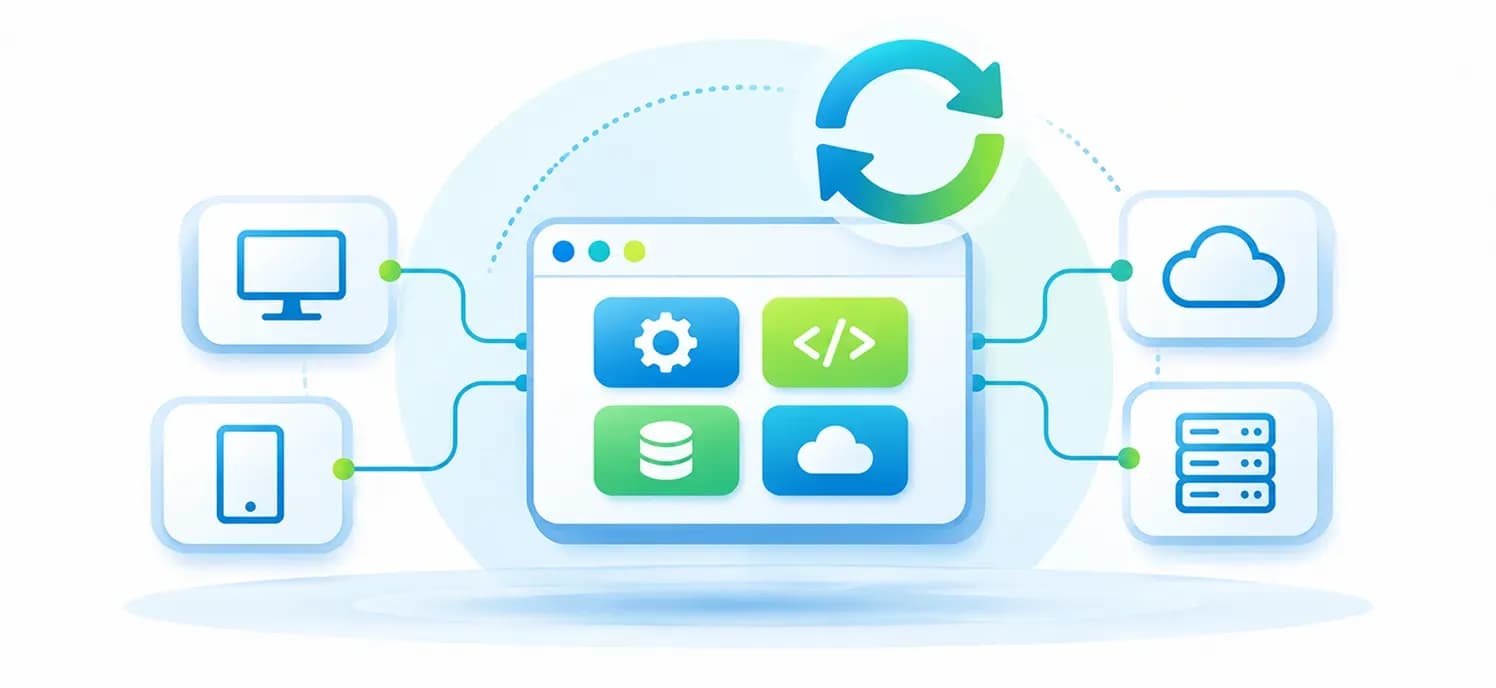
Architecture for Continued Product Evolution
Architecture for Continued Product Evolution
Improve system structure and reduce unnecessary coupling to make the platform easier to maintain and extend.
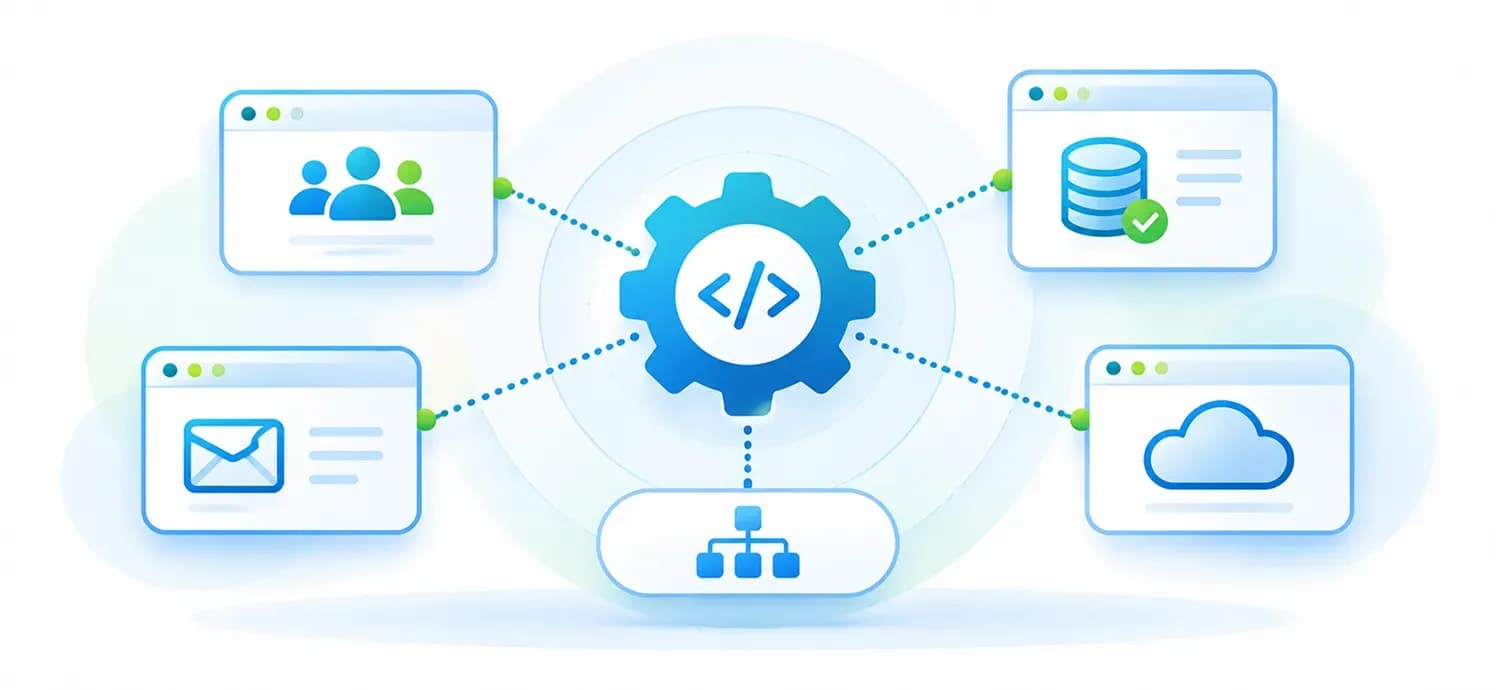
Integrations and Platform Ecosystem
Integrations and Platform Ecosystem
Strengthen APIs and connections to external systems with reliable data flow and error handling.
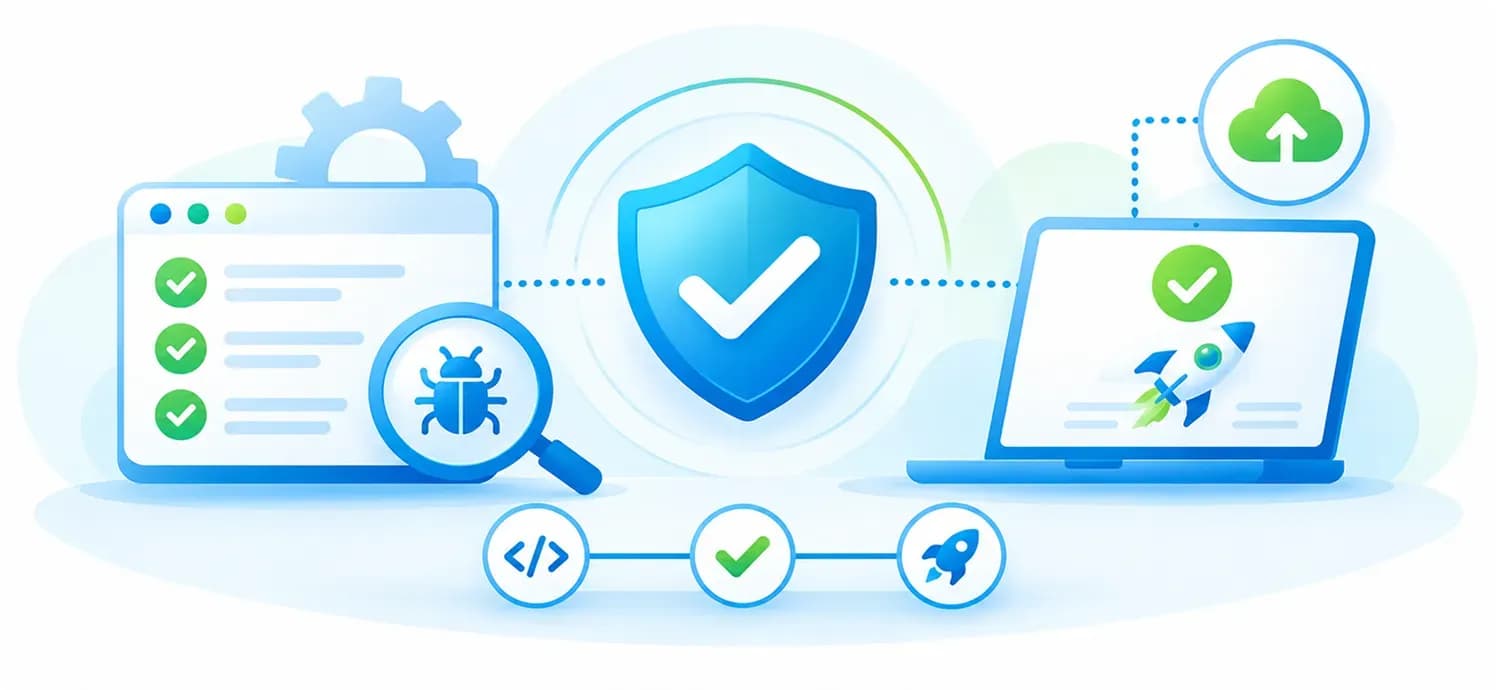
Quality and Release Confidence
Quality and Release Confidence
Improve testing, regression coverage and release processes to make platform changes safer.
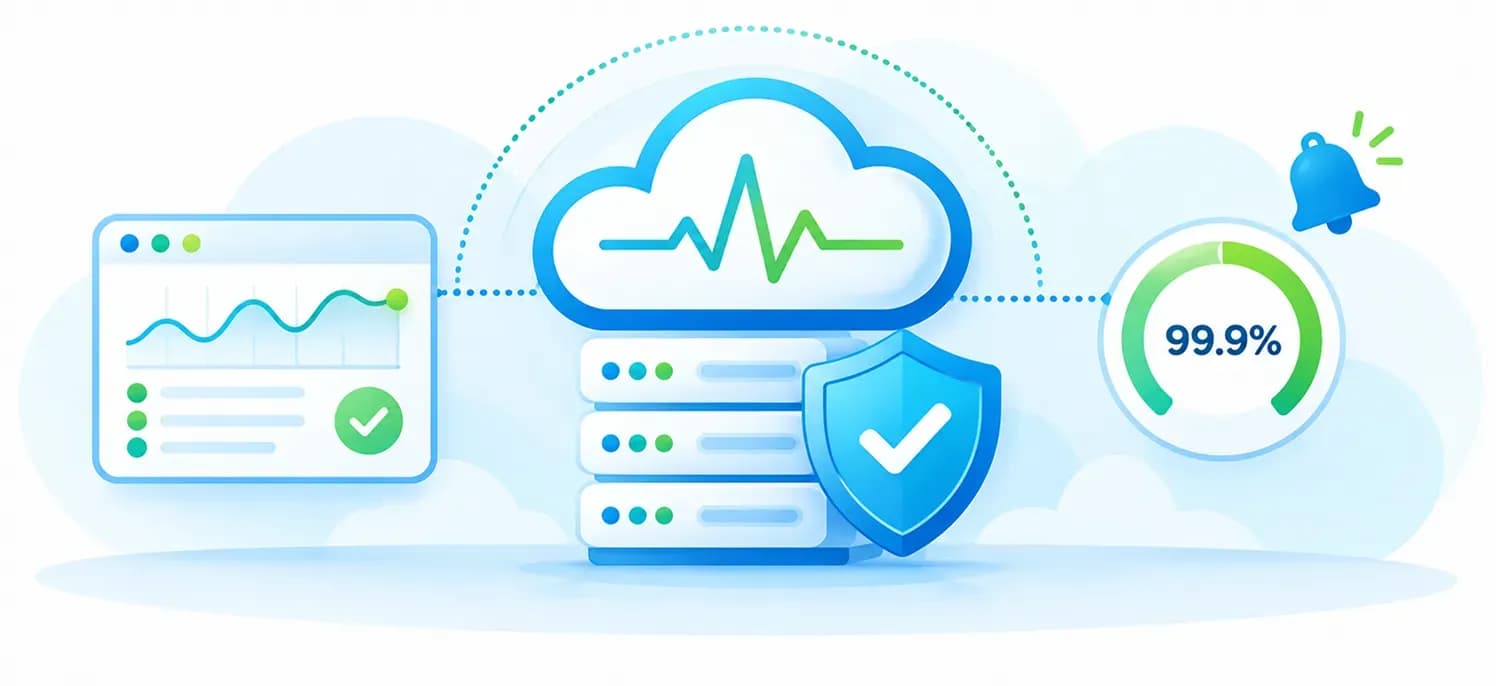
Cloud, Reliability and Observability
Cloud, Reliability and Observability
Strengthen monitoring, logging, deployment practices and production visibility.
Add delivery capacity where the roadmap is under pressure
Modernisation often competes with customer-facing roadmap work for the same internal engineering capacity. SVAAPTA can take ownership of a defined modernisation initiative, product area or ongoing backlog while the client retains overall product direction.
Extend the roadmap without replacing the team
Extend the roadmap without replacing the team
The engagement can be structured around the responsibility you need us to take.
Possible engagement models:
- Defined modernisation workstream
- Dedicated product engineering team
- Integrated specialist capacity
- Architecture and advisory support
- Managed application ownership

Managed ownership after modernisation
Managed ownership after modernisation
Keep the platform maintainable after the immediate problem is solved.
Modernisation is most valuable when the improved platform remains well owned.
Where appropriate, SVAAPTA can continue supporting the application through planned maintenance, enhancements, issue resolution, integrations, QA, upgrades and architecture guidance.
Supporting platforms through continued change
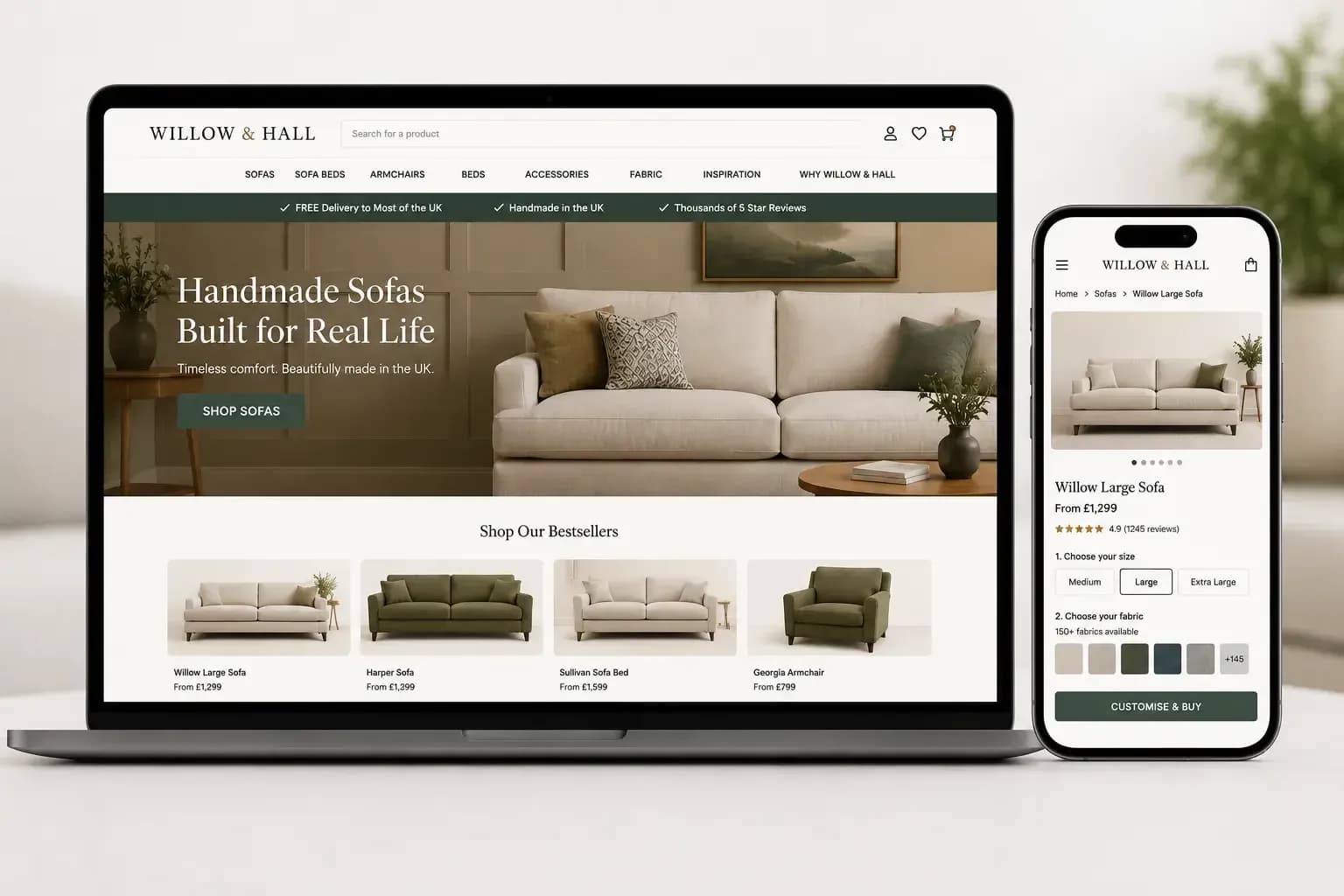
Willow & Hall
SVAAPTA has supported Willow & Hall’s commercially important digital platform through ongoing development and improvement as operational requirements and customer expectations have changed.
The relationship demonstrates the ability to support a live platform over the longer term rather than treating delivery as a one-time implementation.
Modernisation with product context, not technology theatre
We start with the constraint
We start with the constraint
The first question is what is limiting the product or business, not which technology should replace the current one.
We work with what already exists
We work with what already exists
We respect previous investment and preserve useful platform knowledge rather than assuming everything should be rebuilt.
We can take defined ownership
We can take defined ownership
SVAAPTA can own a modernisation workstream or agreed engineering outcome rather than simply supplying additional resources.
We connect architecture and delivery
We connect architecture and delivery
Recommendations can be carried through into implementation by the same delivery relationship.
We support continuity
We support continuity
The engagement can continue beyond the initial improvement programme into ongoing product engineering and support.
UK-facing engagement backed by established engineering depth in India.
SVAAPTA combines UK-facing commercial engagement and solution leadership with SVAAPTA India’s multidisciplinary engineering capability.
For modernisation work, this enables access to architecture, software engineering, QA, integrations, cloud and support capability through one coordinated engagement.
Keep the value. Remove the constraints.
If a live platform is becoming harder to maintain, extend or scale, we can help identify what is genuinely holding it back and define a practical route forward without assuming the answer is a full rebuild.