
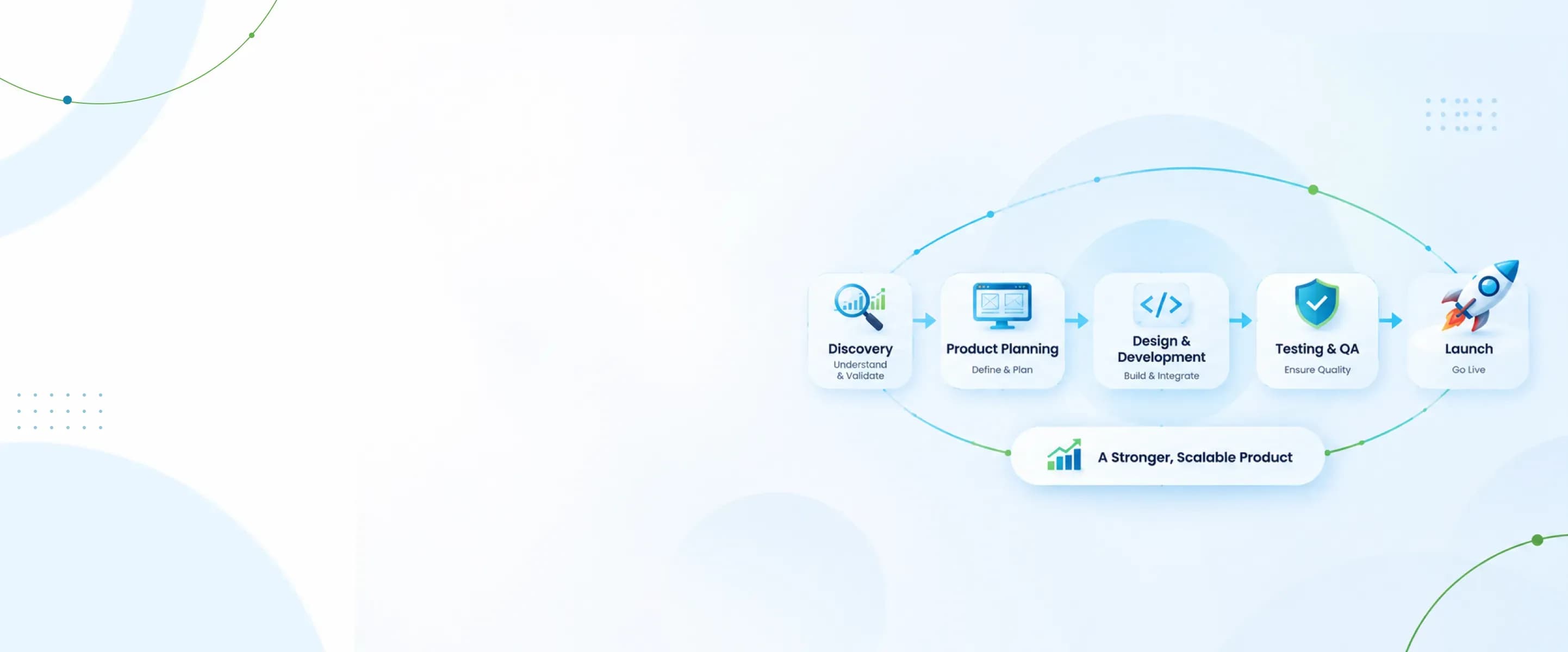
Turn a complex idea into a product people can actually use
Move from a validated product idea to a useful first release through focused discovery, design, engineering and launch.
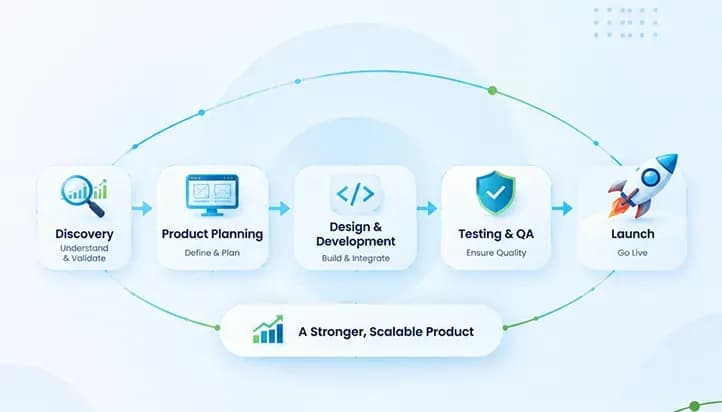
Turn a complex idea into a product people can actually use
Move from a validated product idea to a useful first release through focused discovery, design, engineering and launch.
A feature list is not yet a product
Many new-product conversations begin with ideas about what the software should do.
The more important questions are why users need it, what journey makes the proposition useful, which assumptions remain untested and what the first release must prove.
Before significant engineering begins, we help turn the idea into a product definition that can support real decisions.
Product and business context
Product and business context
Clarify the target user, problem, proposition, commercial assumptions and intended outcome.
User journeys
User journeys
Map the actions different users need to complete and identify the flows that matter most.
Feature prioritisation
Feature prioritisation
Separate essential first-release capabilities from useful ideas that can follow later.
Technical feasibility
Technical feasibility
Assess integrations, third-party platforms, data, infrastructure and other dependencies that could materially affect delivery.
Solution architecture
Solution architecture
Define an appropriate technical foundation without over-engineering for scale that does not yet exist.
Delivery roadmap
Delivery roadmap
Translate product priorities into a structured release path with assumptions, dependencies and indicative effort.
Turn assumptions into a clear first-release direction.
The objective is to reduce ambiguity before it becomes expensive code.
Build a meaningful first release
A successful first release focuses on essential user journeys and business requirements while identifying technical risks before development begins.
- 01
Define the First Release Responsibly
Identify essential users, workflows and features needed to make the first release meaningful.
- 02
Test Technical Feasibility Before Commitment
Assess integrations, APIs, data availability, technical constraints and risks before committing to development.
- 03
Establish a Credible Delivery Direction
Agree the initial scope, technical direction and priorities for the first release and future improvements.
Connect product decisions directly to engineering delivery
Once the product direction is sufficiently clear, SVAAPTA can take responsibility for implementation across the required engineering disciplines.
Keep all seven stages identifiable within one visible process section.

UX and Product Experience
UX and Product Experience
Design user journeys, interfaces and interactions around what users need to accomplish.

Solution Architecture
Solution Architecture
Define a technical foundation suitable for the first release while supporting future development.

Product Engineering
Product Engineering
Develop web, SaaS and mobile applications with the required frontend and backend capabilities.

APIs and Integrations
APIs and Integrations
Connect payments, authentication, CRM, communication services and third-party platforms.

AI as a Product Capability
AI as a Product Capability
Introduce AI features where they provide clear value and support the product's purpose.

Quality Assurance
Quality Assurance
Test functionality, user journeys and integrations to improve confidence before release.

Launch and Production Readiness
Launch and Production Readiness
Prepare deployment, monitoring, configuration and operational support for production use.
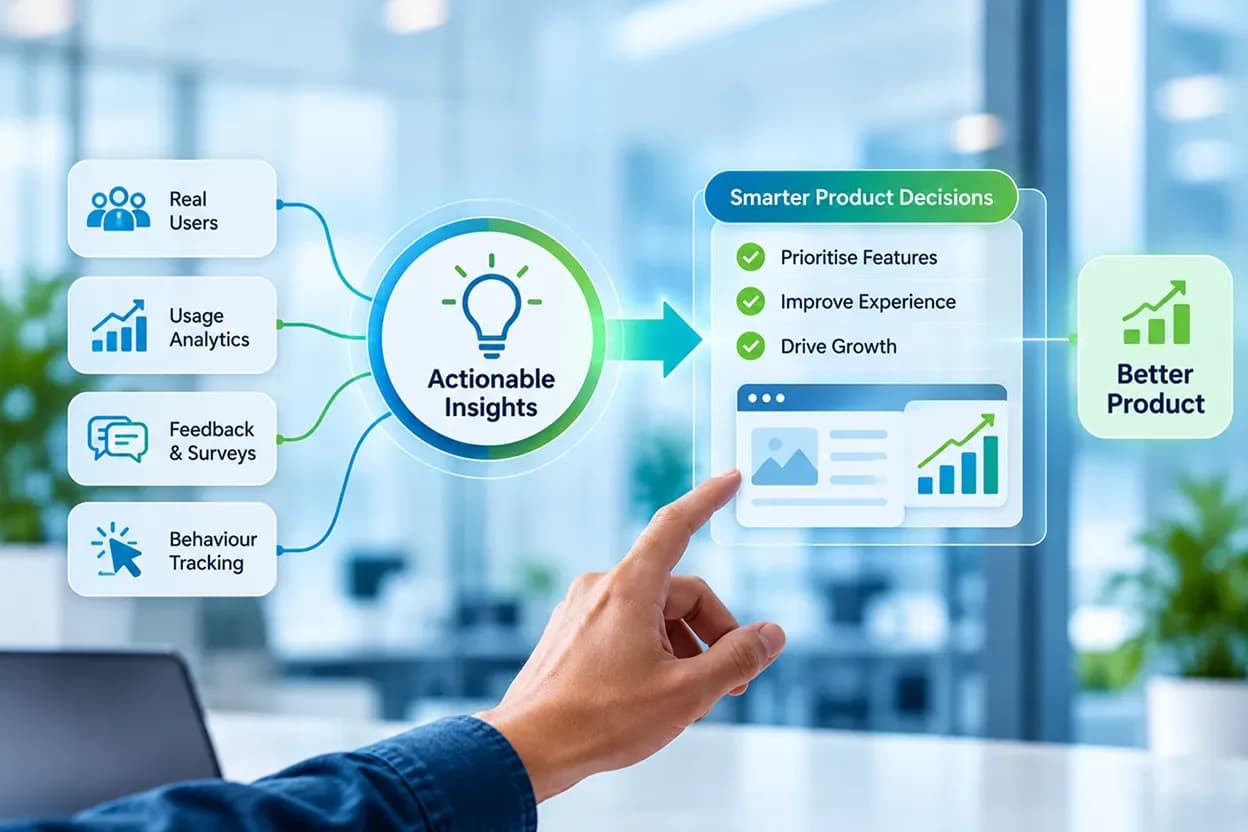
Real users create the next set of product decisions
The first release provides real feedback about user behaviour, product priorities and operational needs.
SVAAPTA can continue supporting the product through enhancements, integrations, optimisation and ongoing engineering, while the client retains ownership of product direction and key business decisions.
Experience translating specialised ideas into working software
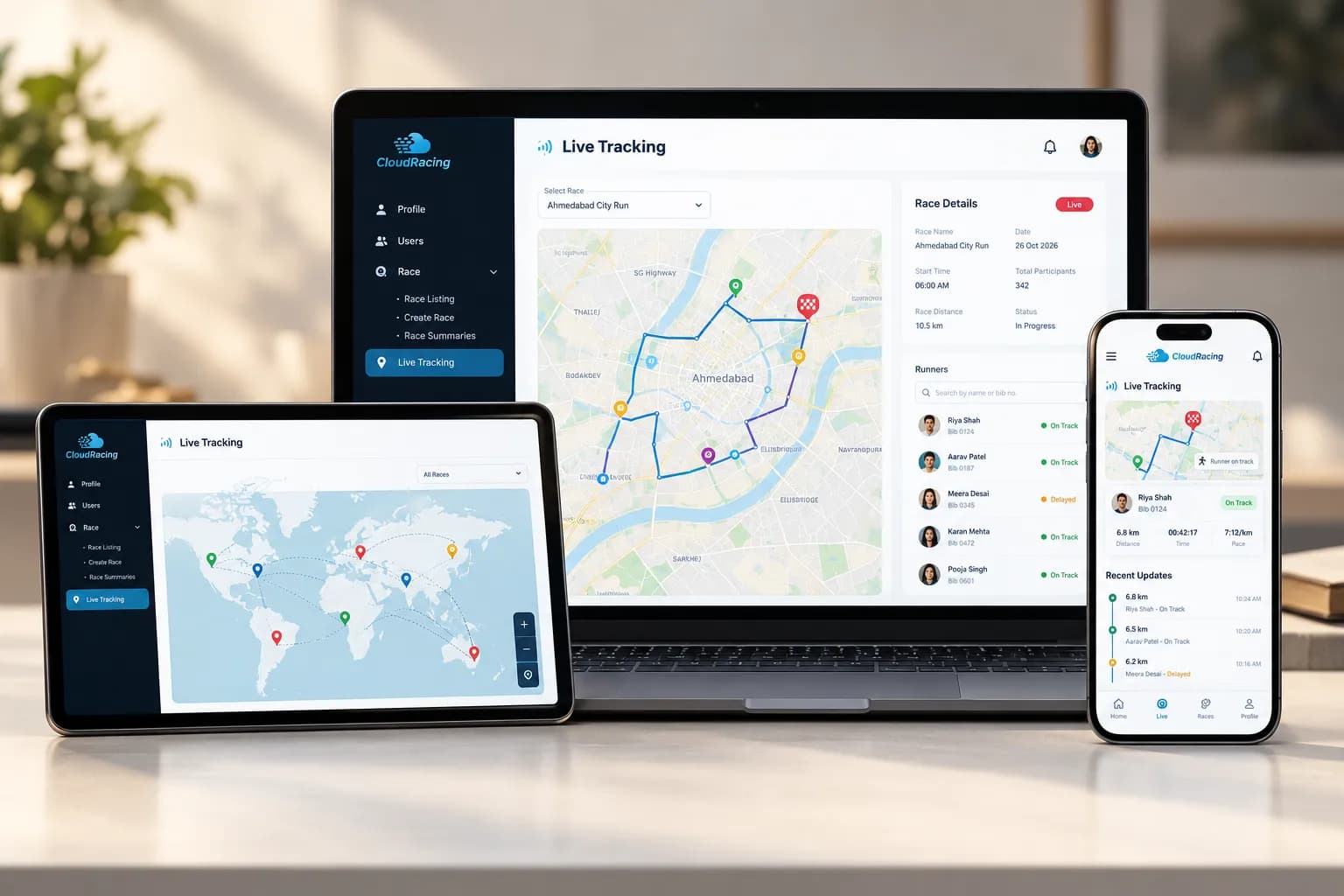
CloudRacing
CloudRacing demonstrates SVAAPTA’s ability to work with a founder-led concept involving specialised domain workflows and evolving product decisions.
The engagement required understanding the domain, translating requirements into product behaviour and supporting the development of a functioning digital platform around the founder’s vision.
Custom product development requires committed product ownership

Who This Works Best For
Who This Works Best For
We work best where there is a meaningful problem to solve, a responsible product owner, realistic delivery expectations and the resources to reach a useful production release.
We are not structured around speculative equity-only development or unrealistic promises to build a complex platform at a no-code-level budget.
Where the product direction is promising but the scope is too ambitious, we would rather help define a credible first release than promise everything at once.

UK–India Delivery Model
UK–India Delivery Model
UK-facing engagement backed by multidisciplinary engineering capability in India.
SVAAPTA combines UK-facing commercial engagement and solution leadership with SVAAPTA India’s product engineering and delivery capability.
For a new product, this can bring discovery, architecture, UX, software engineering, QA, integrations, cloud and ongoing support into one coordinated relationship.
Build the first product with the next decision in mind.
If you have a meaningful product opportunity and the commitment to build it responsibly, SVAAPTA can help turn the idea into a clear release plan, dependable software and a platform that can continue evolving after launch.